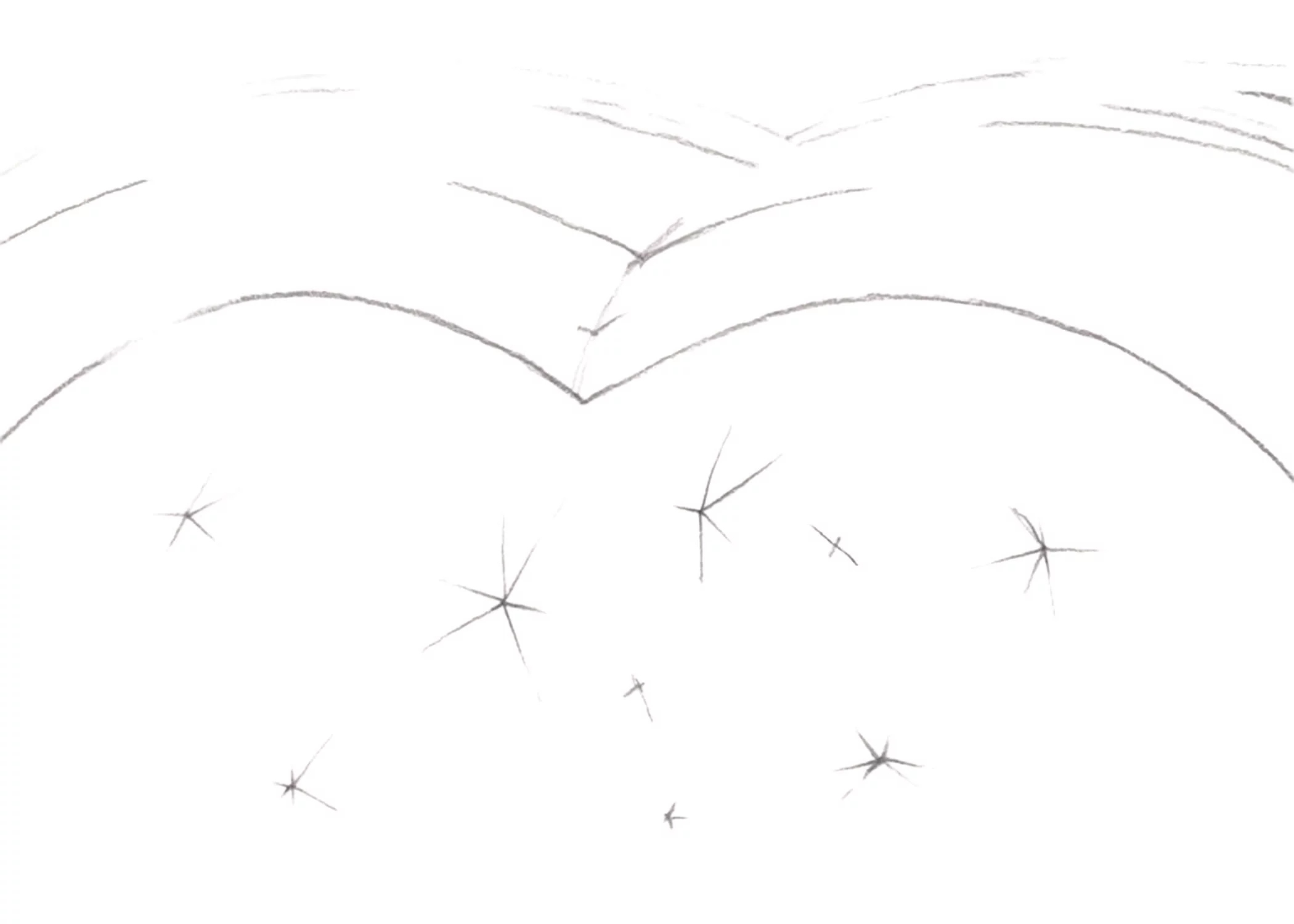
Immediate Material

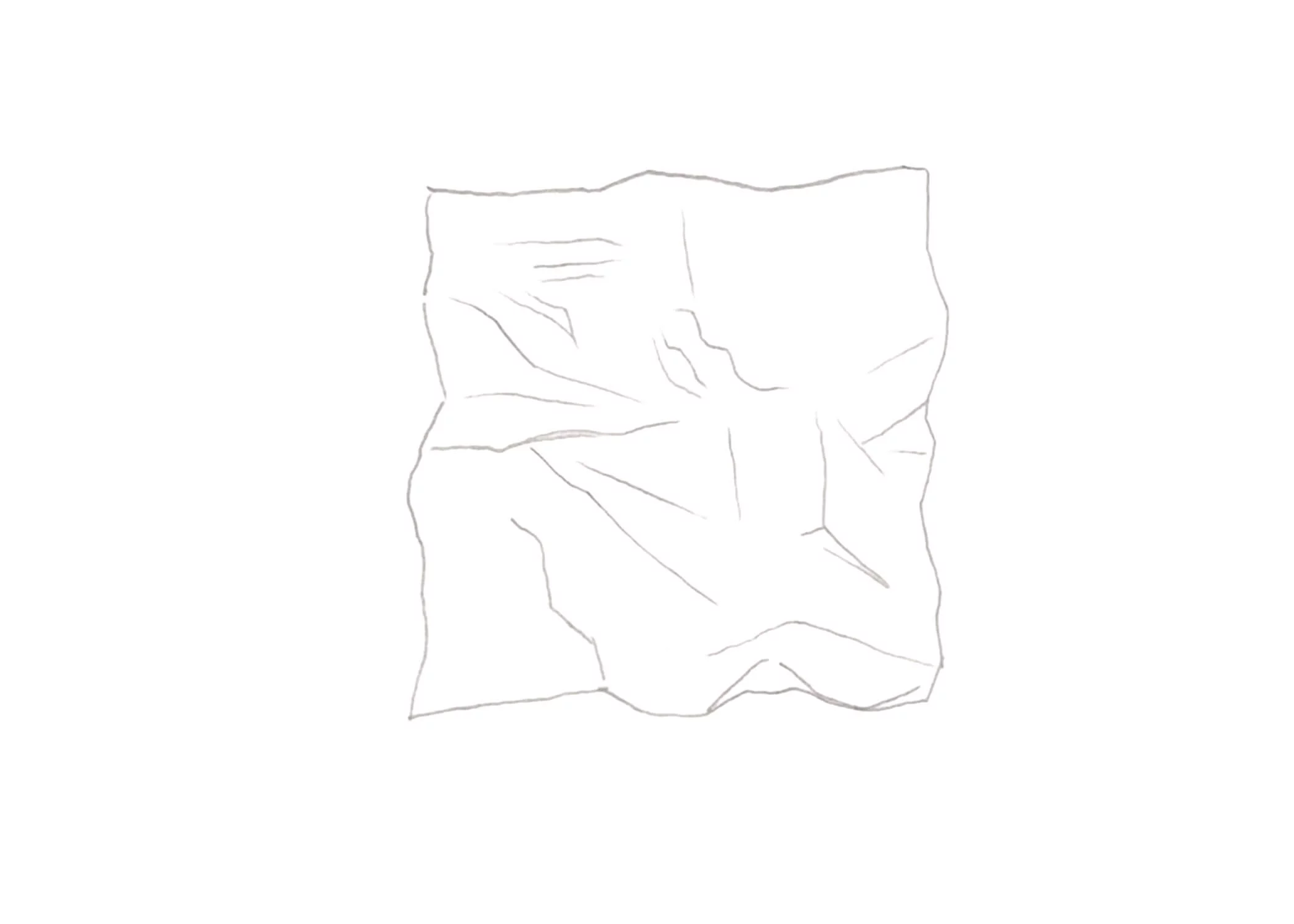
Immediate Material is a collaborative project bringing together artists and scientists to expand the visual language of science communication. The project comprises a growing collection of drawings that externalize participants’ ideas, feelings, and areas of research. Each contributor has spent significant time thinking about and/or working within their subject area, though many may not have previously had the opportunity to translate these ideas into visual form.
Below, you can learn more about the project’s background, explore its first drawings, and discover more about visual vocabulary.
Below, you can learn more about the project’s background, explore its first drawings, and discover more about visual vocabulary.
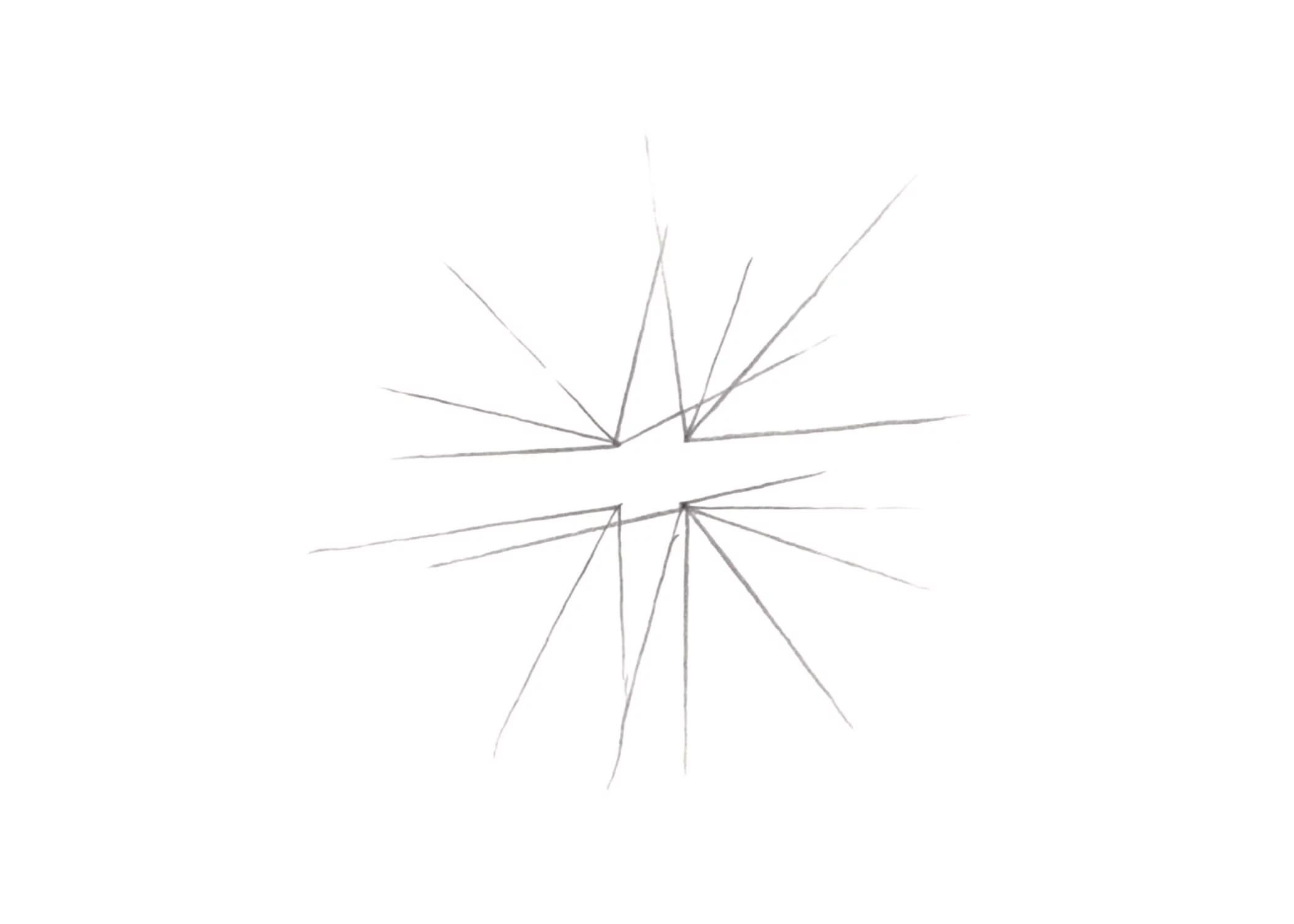
"Drawing is the most immediate way of making your ideas, sensations, and information explicit"
-Euan Uglow


Background
As an undergraduate, I studied both fine art and physics. As I walked from one department to the other, I would often imagine myself trying to explain the physics I had learned to friends or family as a way of trying to digest the ideas myself. I wanted to simplify ideas like divergence, flux or symmetry into intuitive analogies or images that anyone could get their heads around. Studying art, I began to understand that there is a long history of visual language that is equipped to do just this. The diagrams in my physics textbooks help to solve a problem, but do not make use of visual grammar like line weight, composition, or contrast that art students study. I began this project with a curiosity: what would physicists make using these tools? I hope that the outcome gives the general public an entry point into some esoteric ideas, and gives researchers a new way to look at their study.***
Art and science have always had a reciprocal relationship. Dating at least back to Euclid, the ability to 'see' a concept has been integral to the progress of science. In fact, Euclid's famous theorems were constructed visually with a compass and straight edge before they were ever abstracted into numbers. By rearranging circles and lines on a page, he was able to convince himself and subsequent generations of mathematicians and scientists that his theorems were true. Naturalists like Alexander von Humboldt, Maria Sibylla Merian, and Charles Darwin recorded their observations through drawing and painting, leaving visual records that no doubt helped to synthesize their ideas, and communicate them to the public. The early neuroscientist and histologist Santiago Ramón y Cajal drew microscopic cell networks and anatomical structures, normally invisible to the naked eye. All of these scientists brought into reality scientific ideas through visual art. You can find examples of their work to the left.
“Perhaps we are here in order to say: house, bridge, fountain, gate, pitcher, fruit tree, window … but to say them … more intensely than the Things themselves ever dreamed of existing.”
-Ranier Maria Rilke, from the Ninth Duino Elegy
Catalog Thus Far
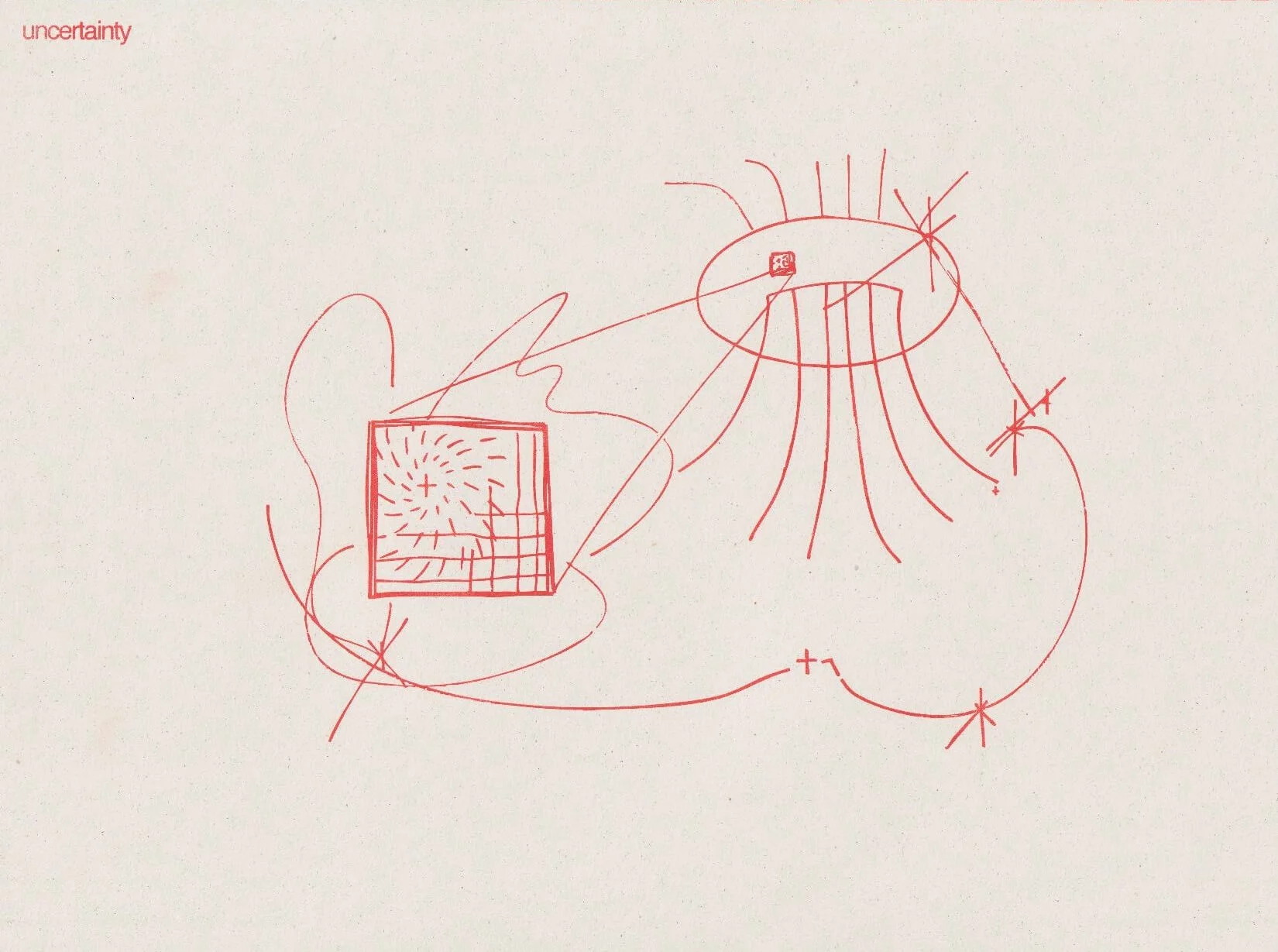
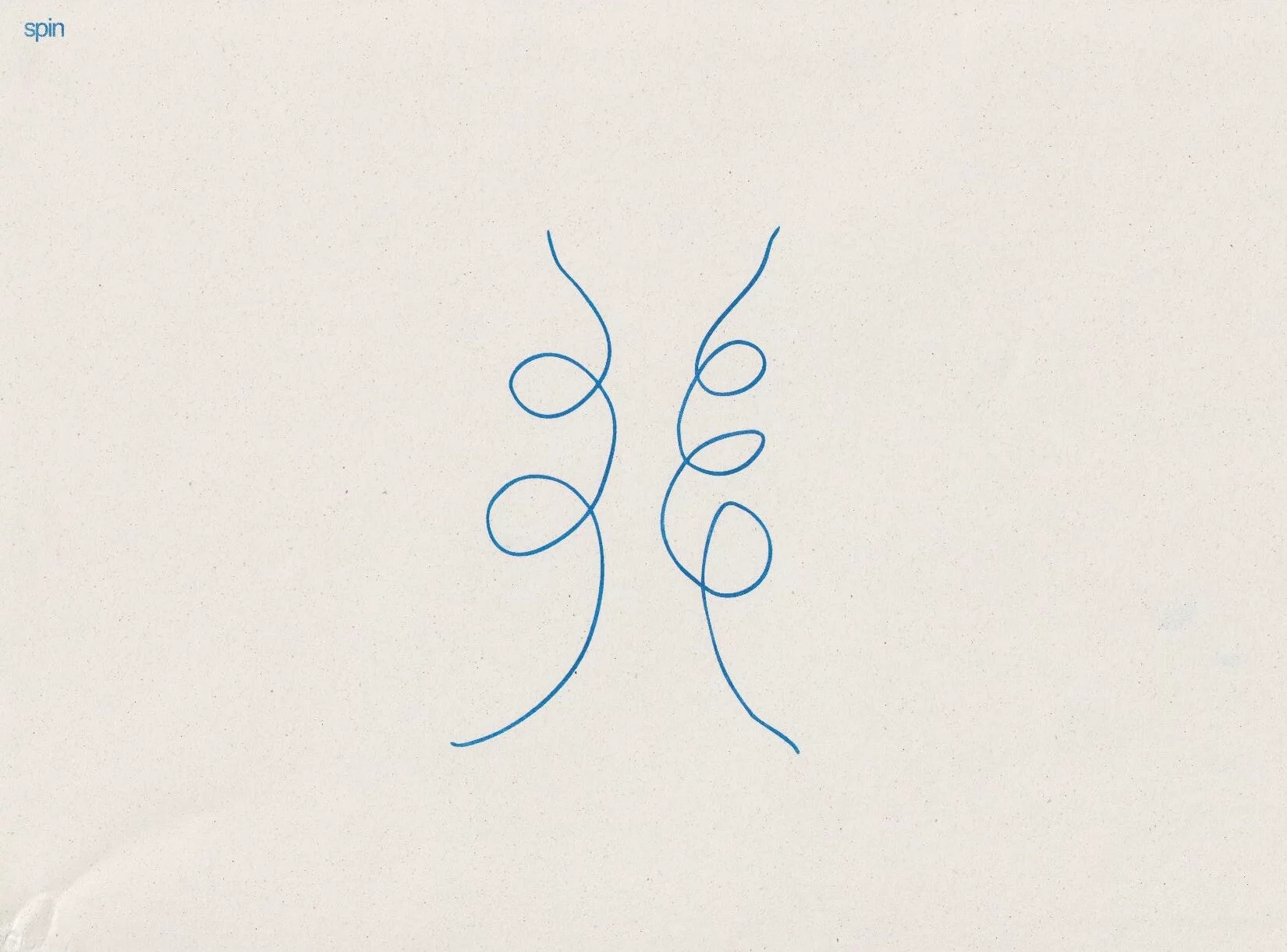
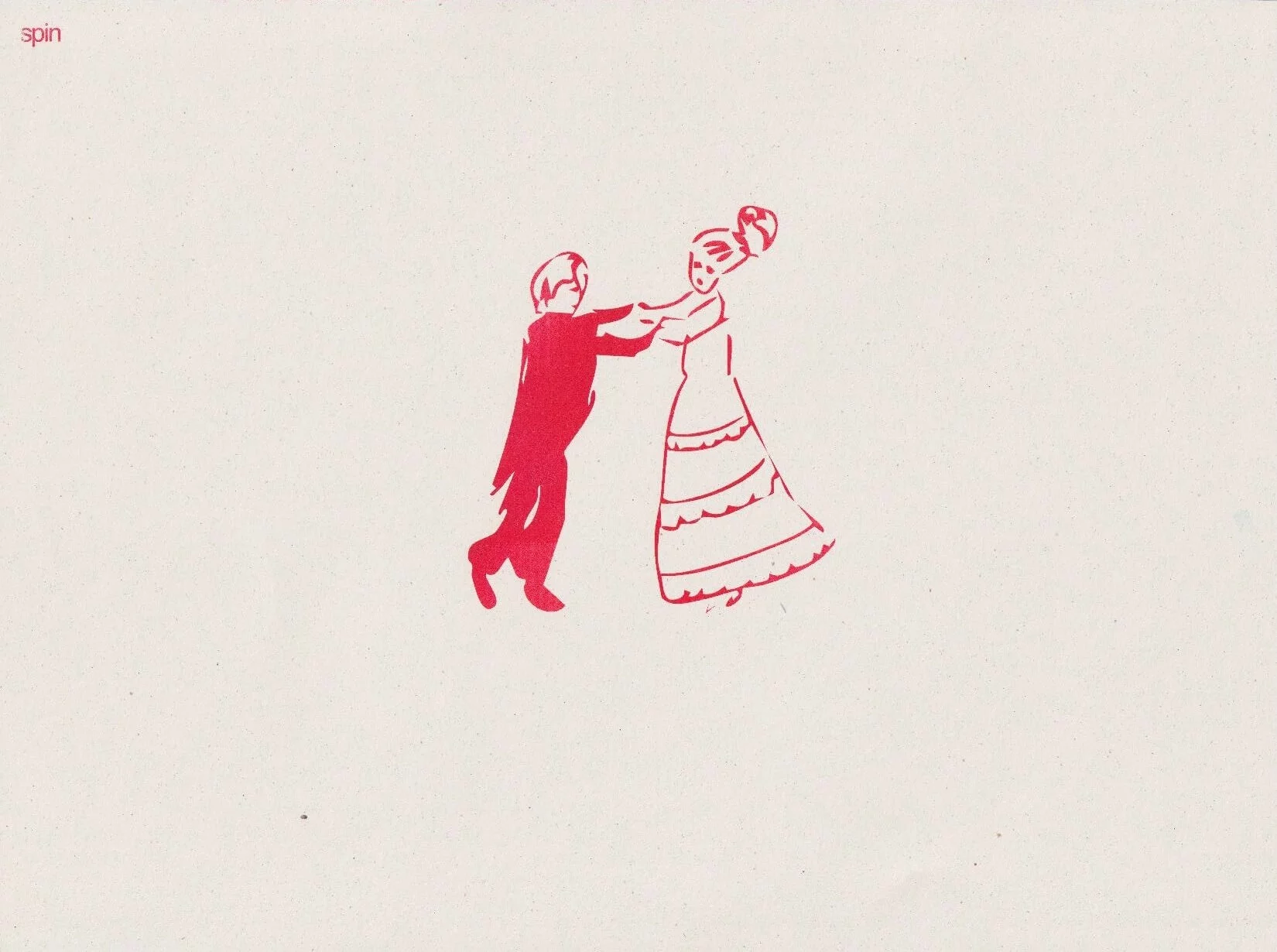
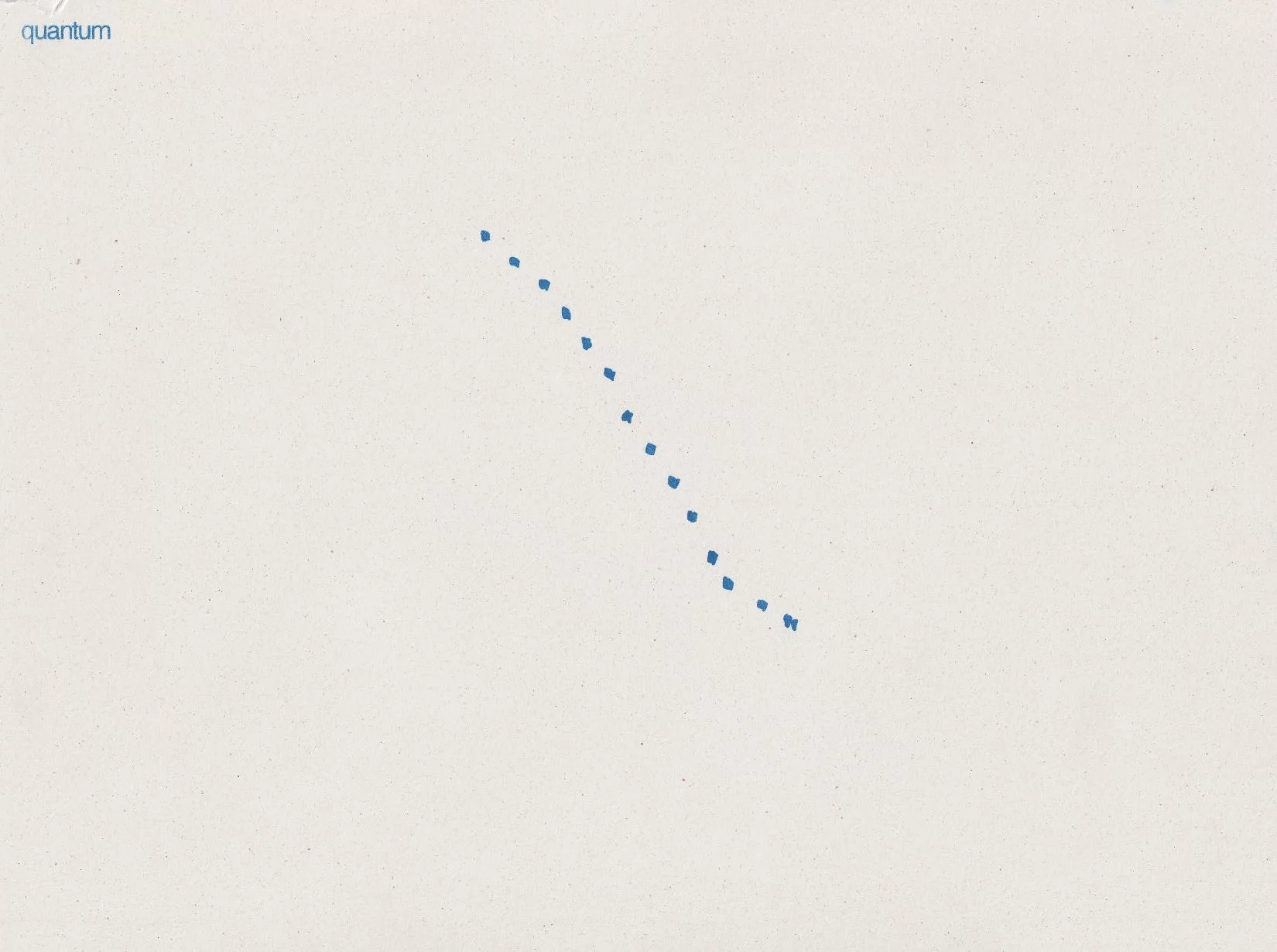
Below are images from the preliminary proof of concept. In 2024, I sent an email invitation to institutions across London, seeking researchers working at the intersection of art and science to participate in a drawing exercise. I received responses from artists, PhD students, and professional scientists. While I was able to interview some participants beforehand, others contributed without a prior conversation. Several participants proposed their own topics, which I encouraged, provided they chose subjects they were already familiar with. I transformed their drawings into a series of Risograph prints and presented the collection at the Camberwell College of Art Research Festival in 2024.
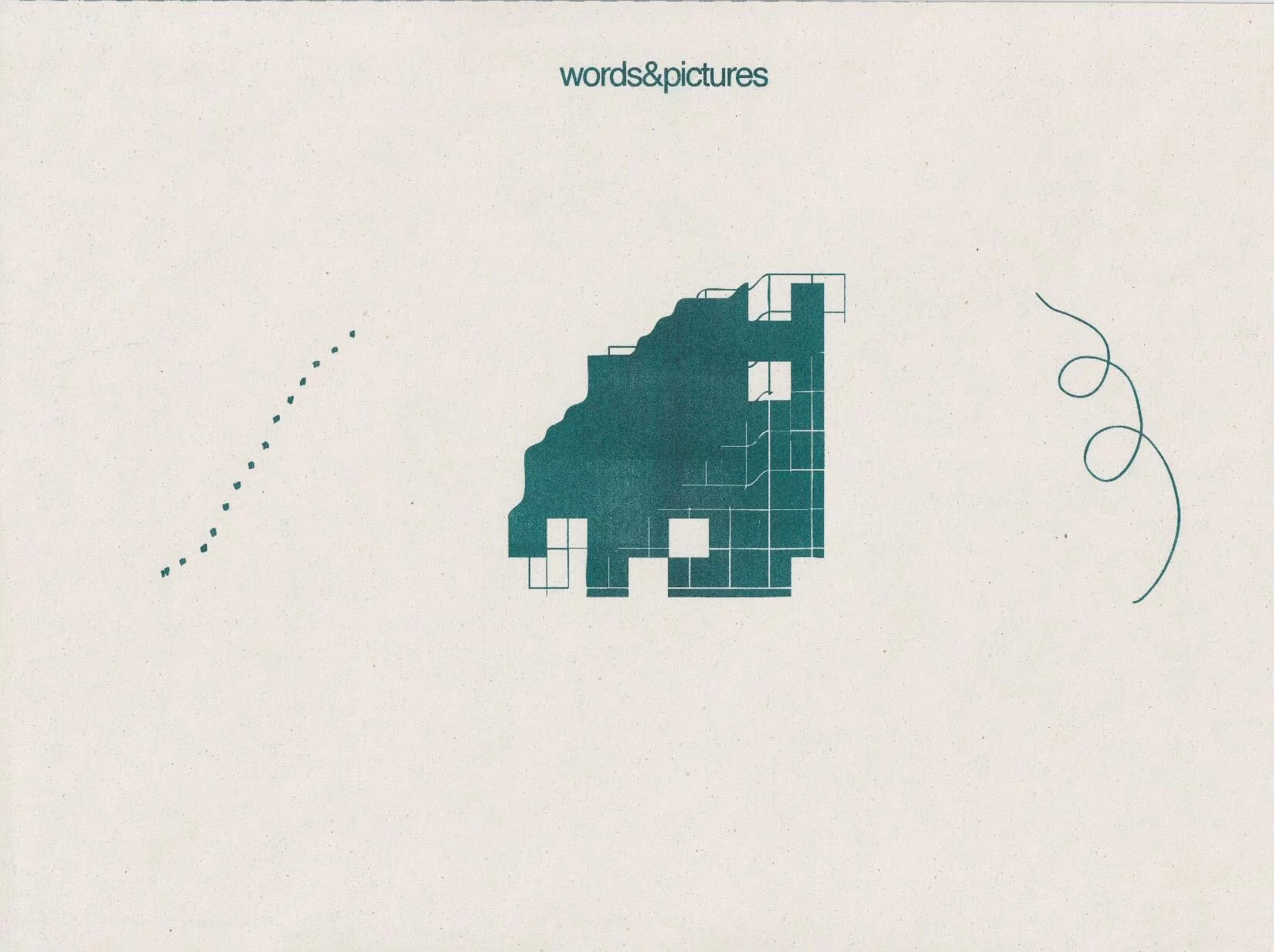
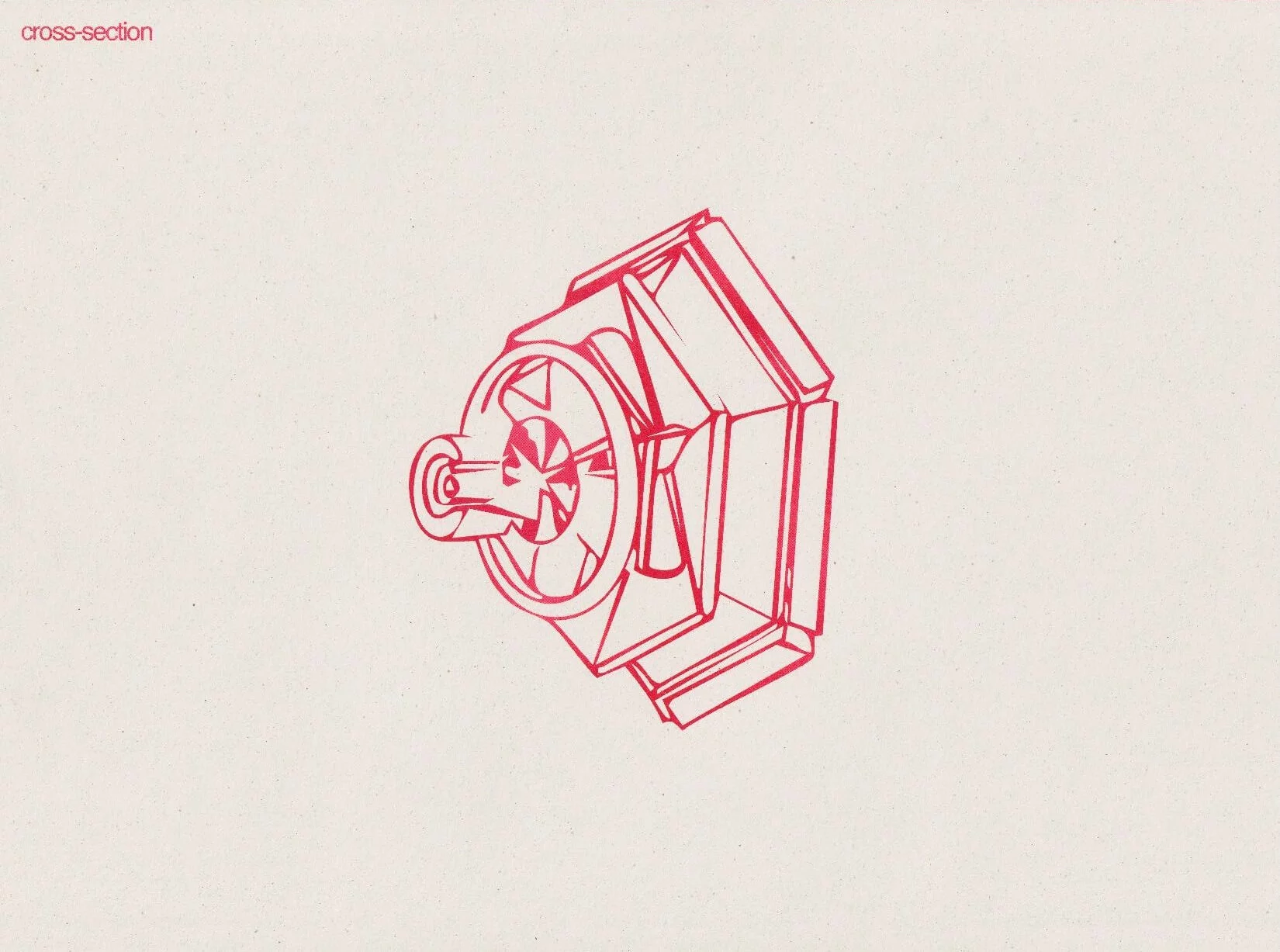
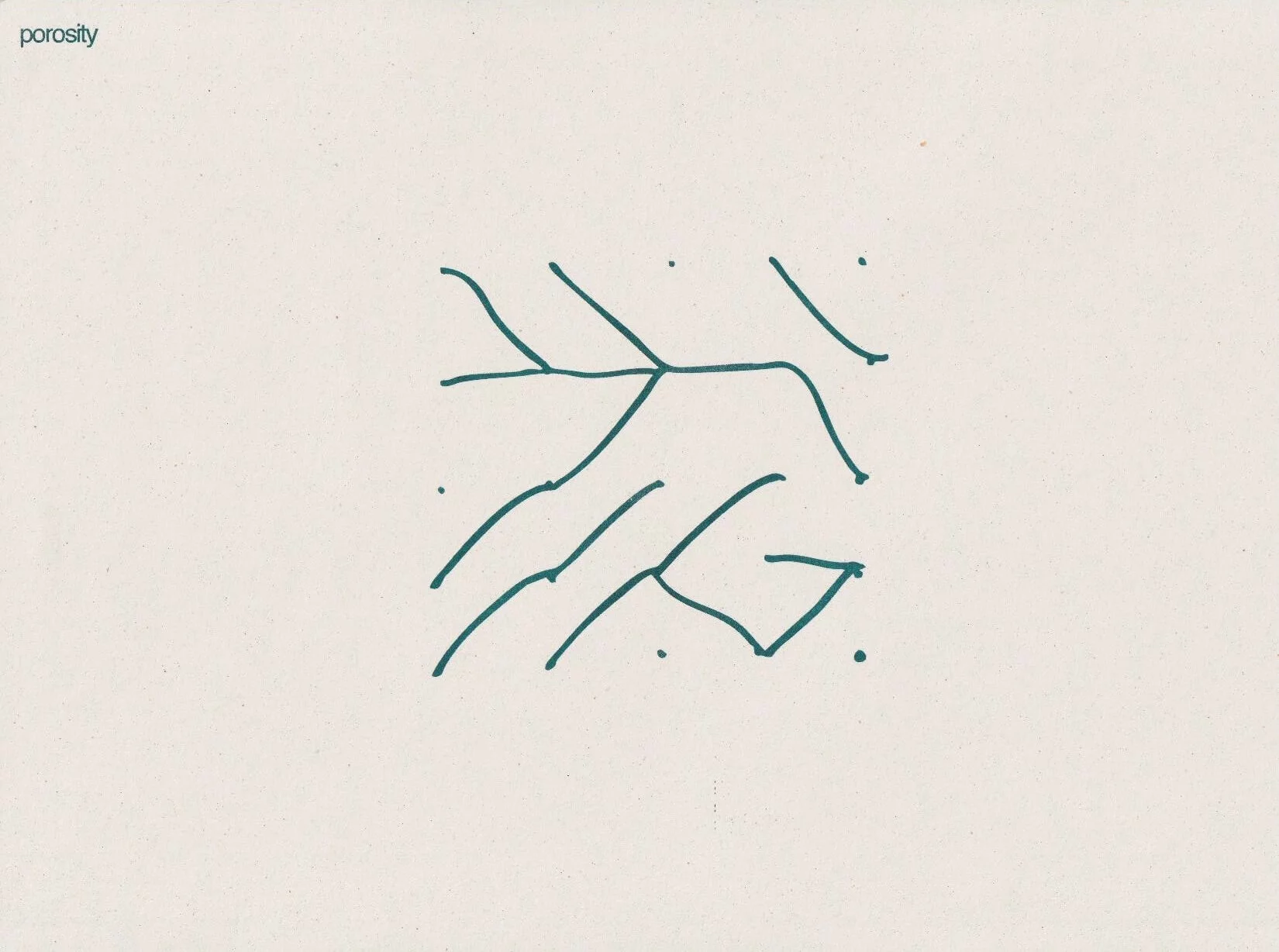
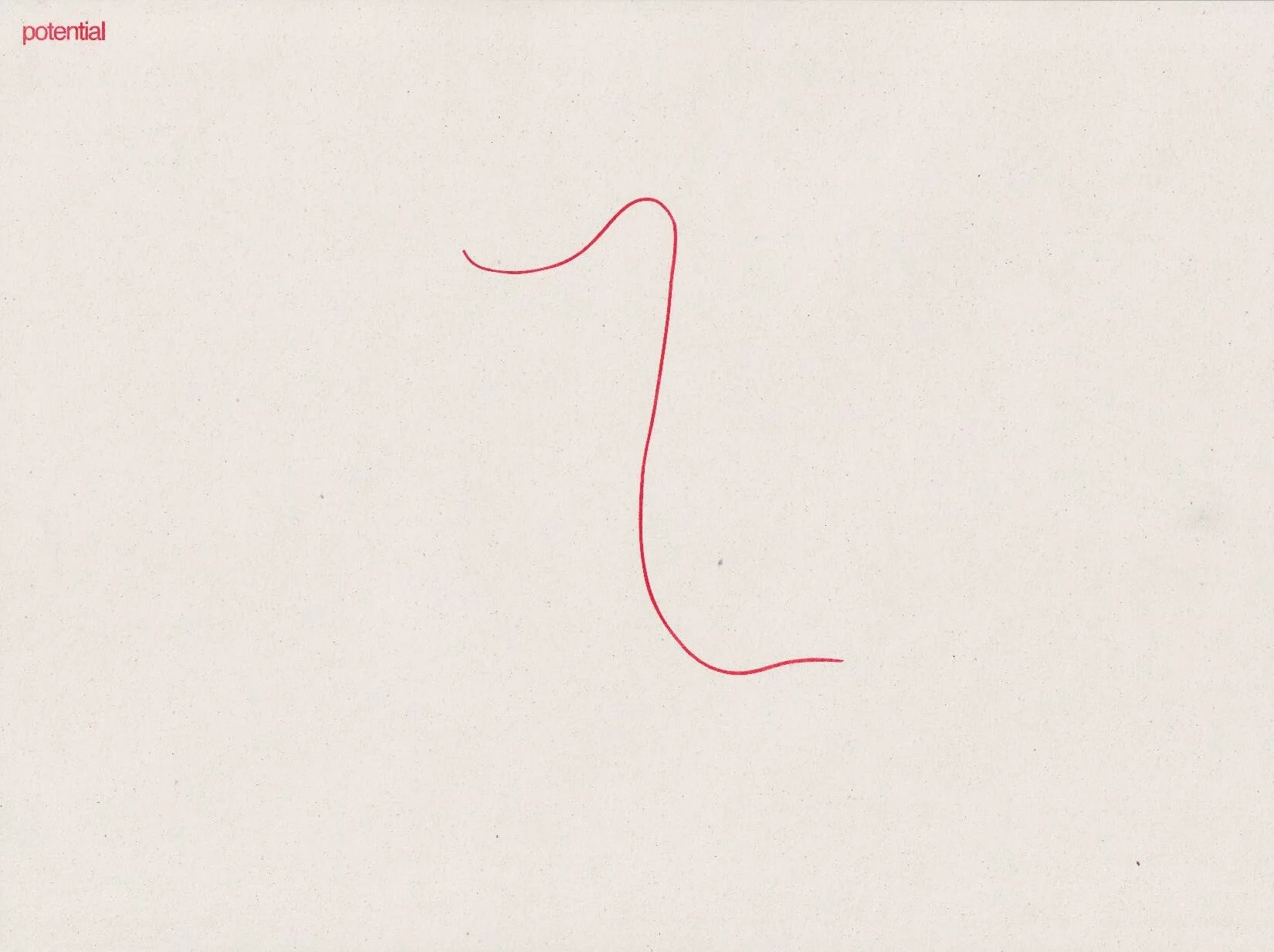
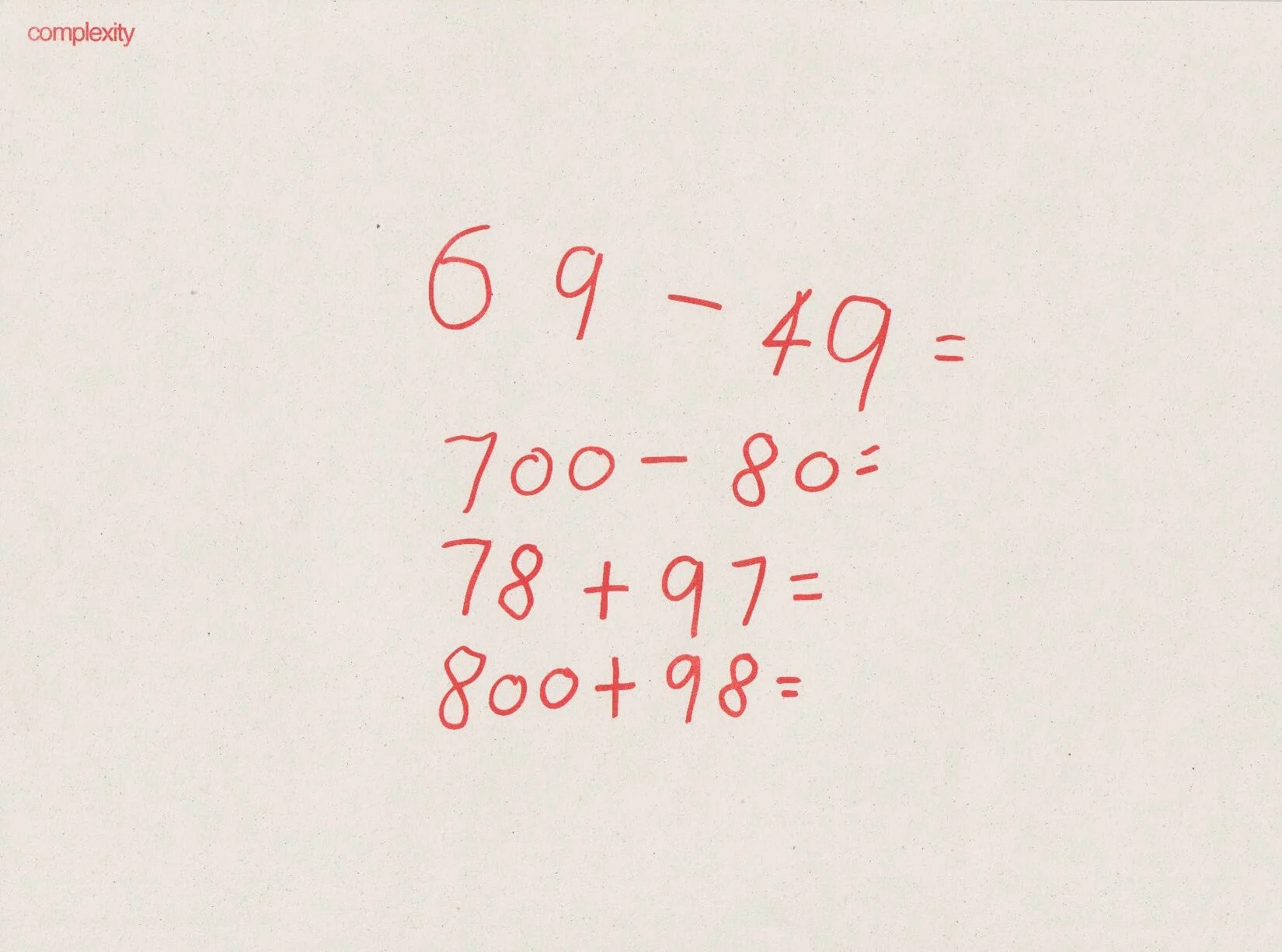
A Little Vocabulary...
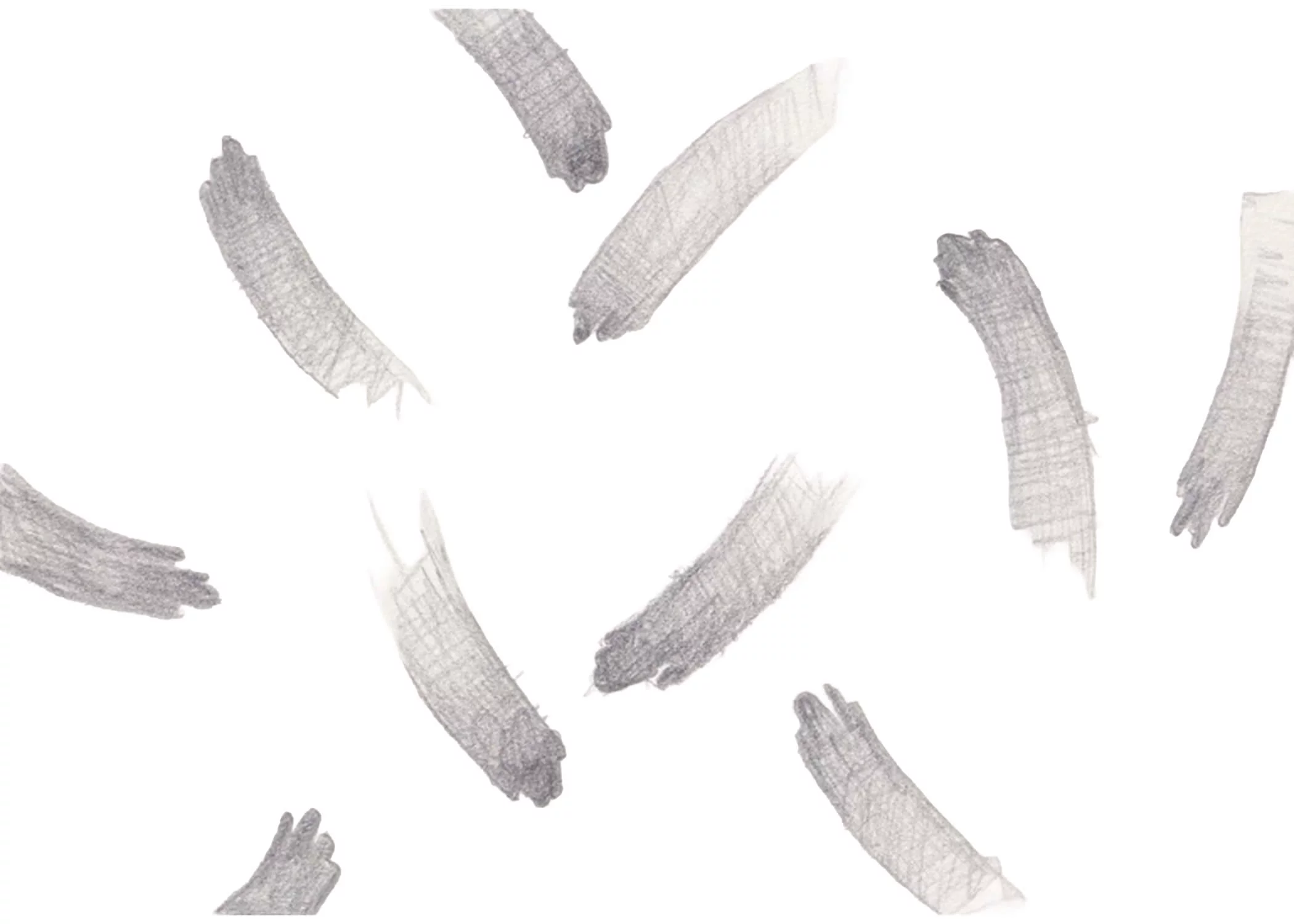
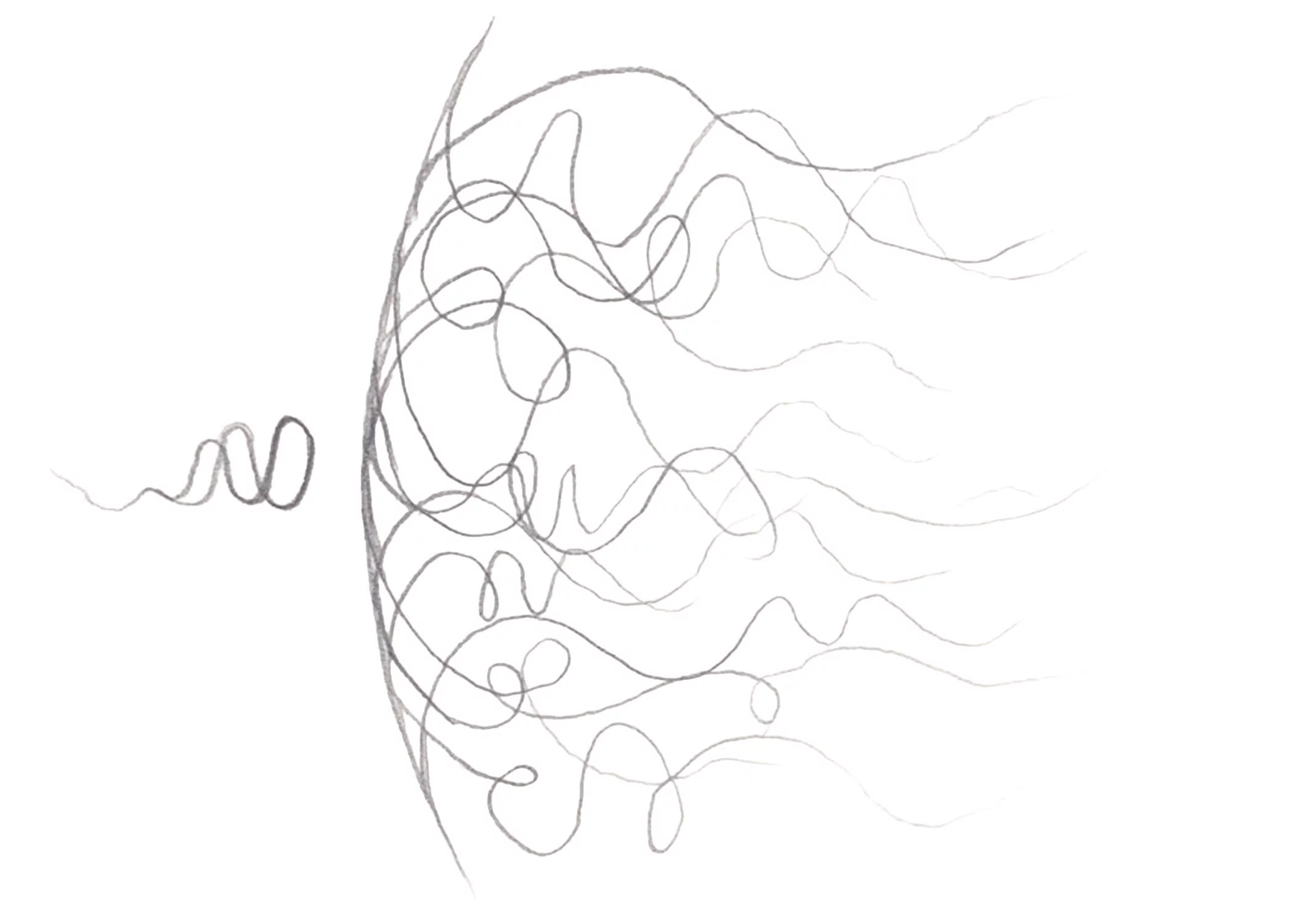
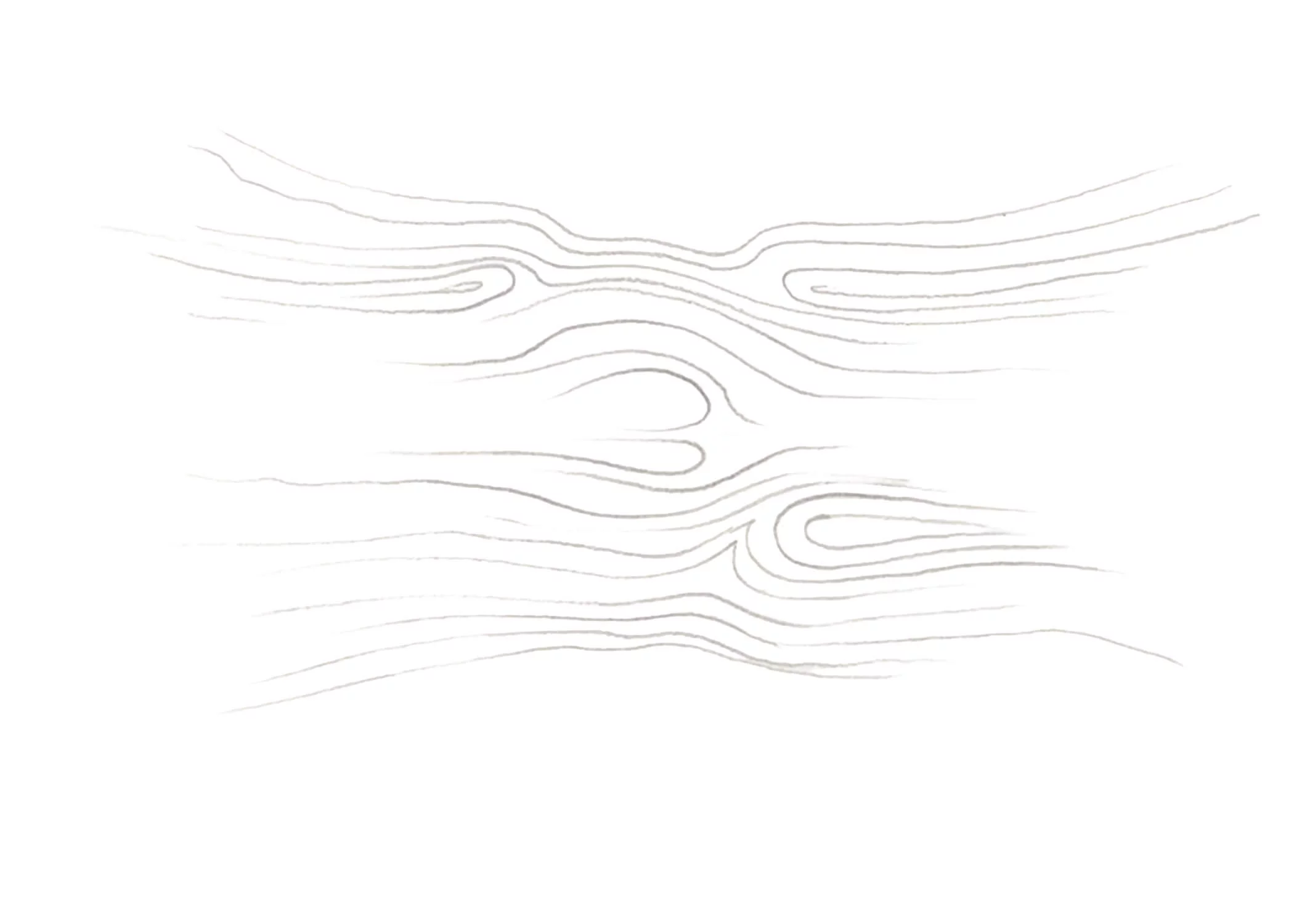
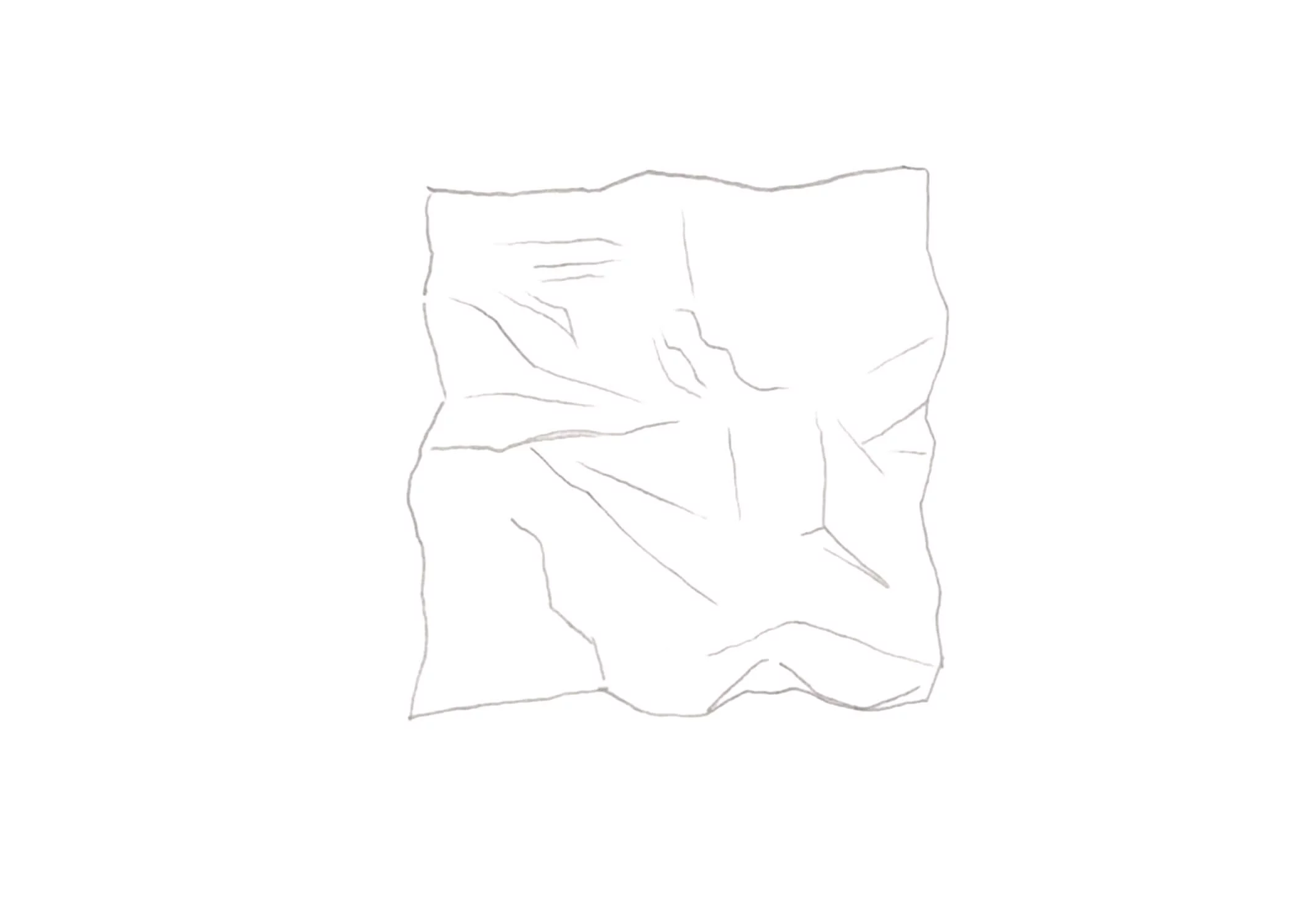
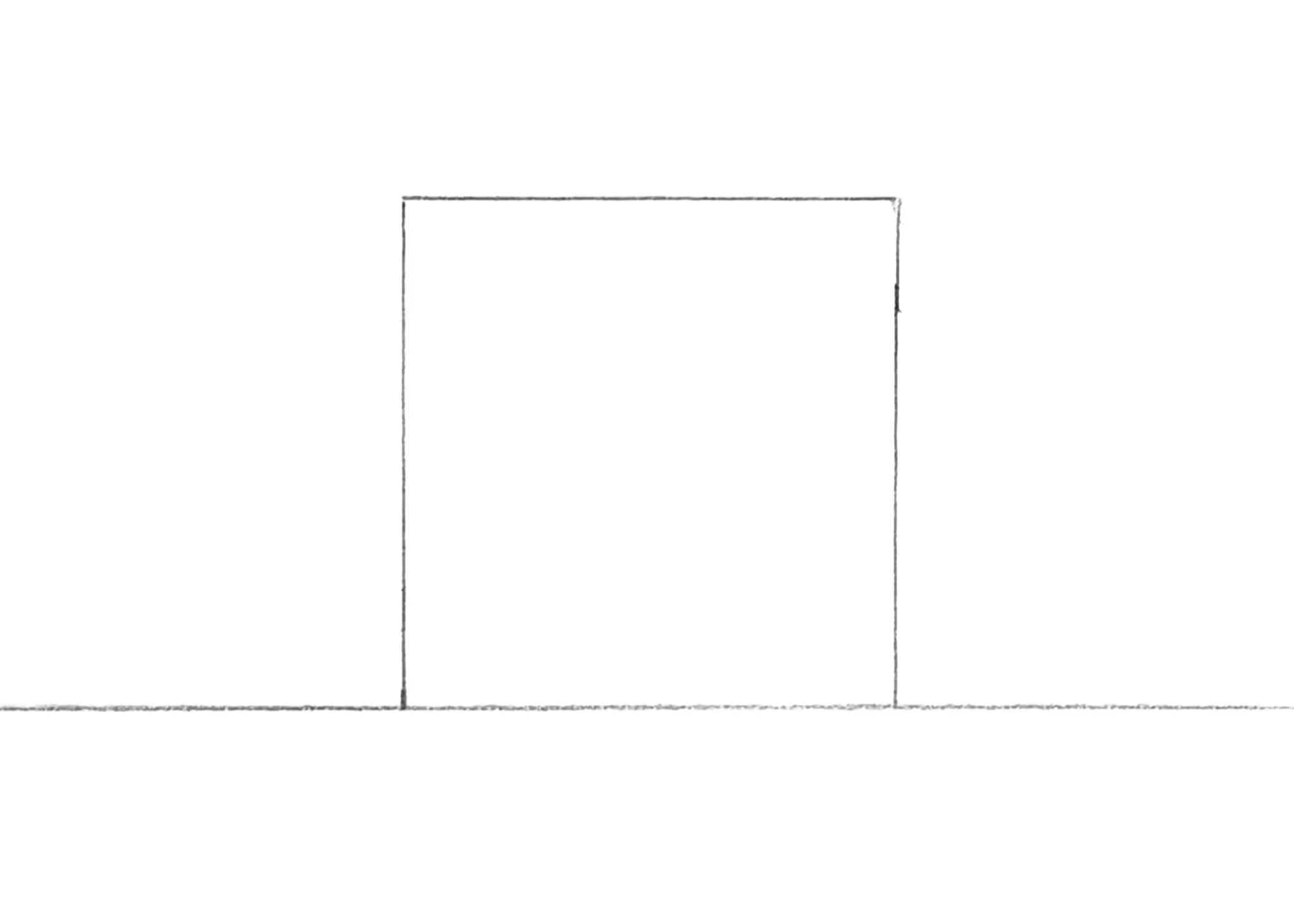
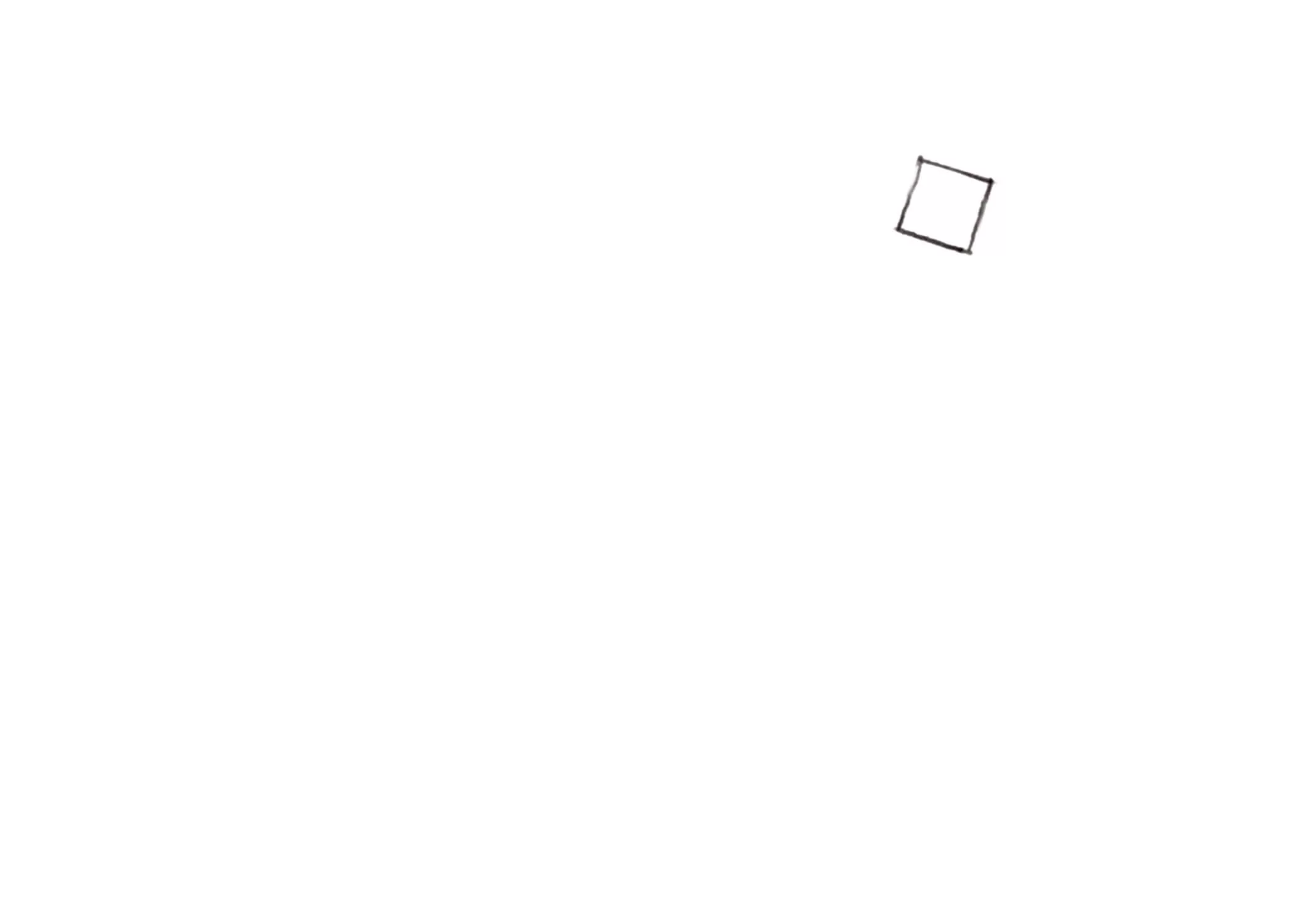
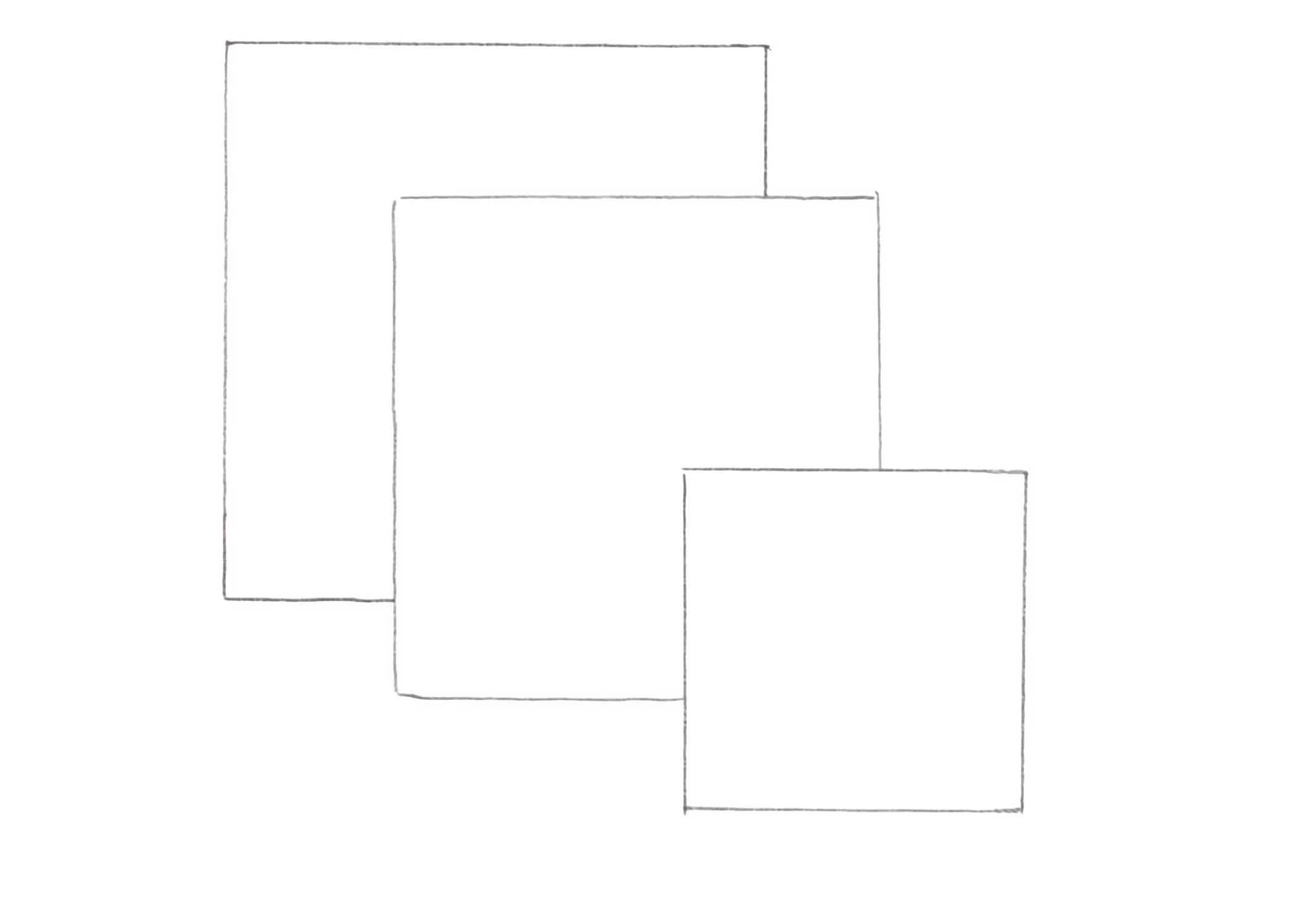
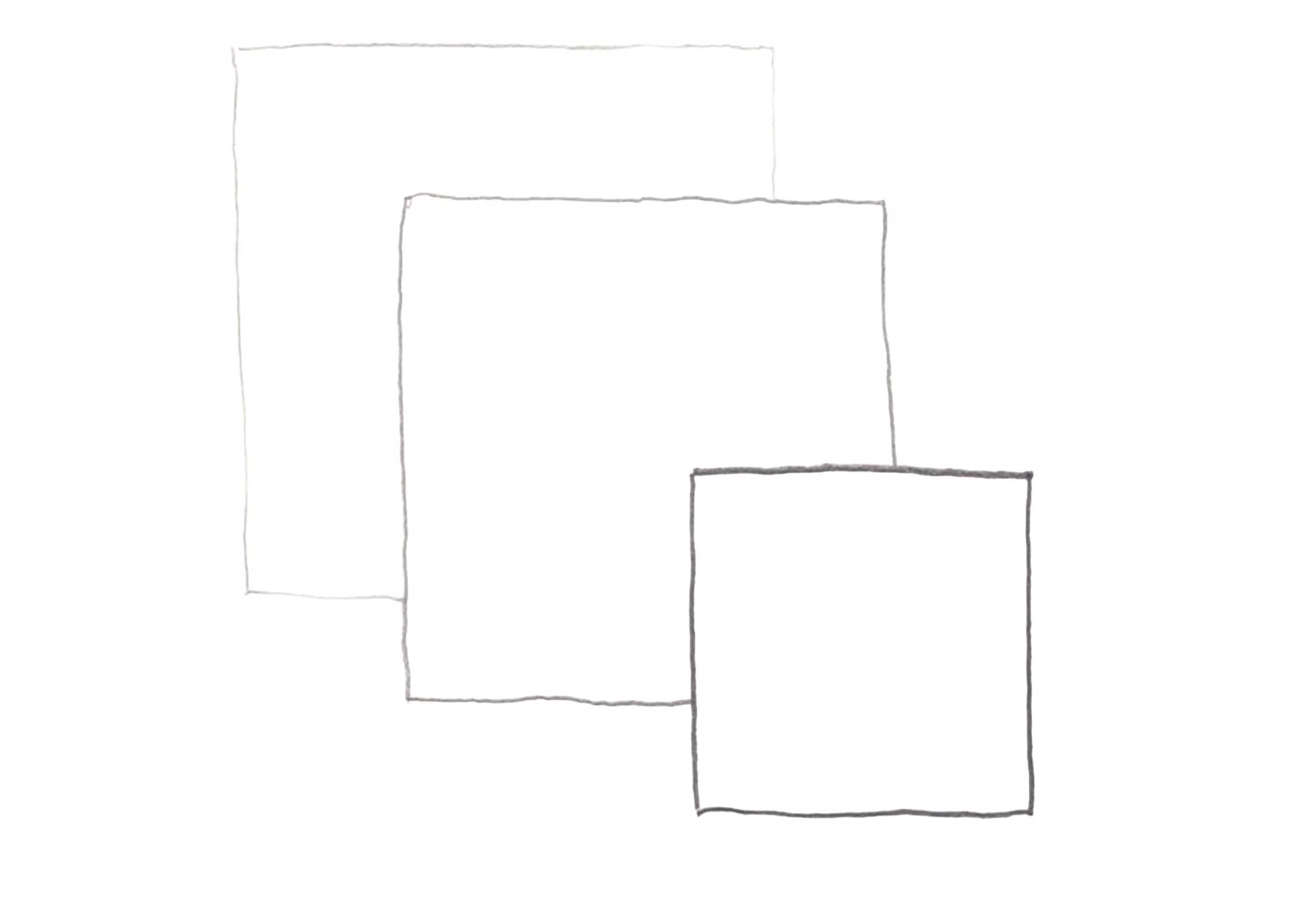
Unlike in an alphabet-based language, meaning in visual communication does not need to be mutually agreed-upon. Everyone is literate when it comes to 'reading' a drawing, and everyone is capable of saying something with a drawing. Below are a few examples of how you might 'say' something with a simple drawing, though there is no one way to say anything. You do not need to string together units, or bits or information to say something more complicated: it can all be wrapped up in a simple composition. Below these are a few examples of my own compositions.
A Few Examples of my Own...